 Pass the Exam Easily with Detailed 3-Level Practice | 1-Day Full Access Free — Offer Ends in


 English
  Dutch
Dutch 

Category A Theory Test 1
01/65
1.What does this road sign indicate?
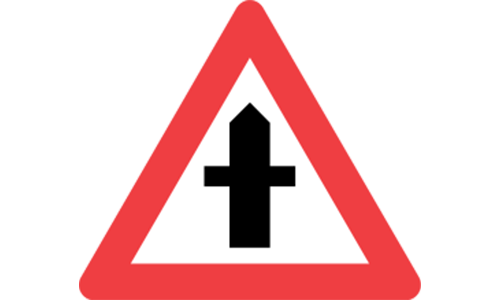
This warning sign, with its depiction of a main road and a smaller intersecting road, indicates a dangerous junction where the road you are on does not have priority over the intersecting road.
01/65
Progress
Category A Theory Test 1
02/65
2.What does this road sign require drivers to do?

This sign indicates that you must give way to traffic on the road you are joining or crossing. You must slow down and be prepared to stop if necessary to allow other traffic to proceed safely.
02/65
Progress
Category A Theory Test 1
03/65
3.Seeing this sign at an intersection, what specific turn are you forbidden to make?

A right turn is prohibited at the junction or intersection where the sign is placed. Drivers must choose an alternative direction of travel.
03/65
Progress
Category A Theory Test 1
04/65
4.What does the round sign with a red border and a red cross through a blue background containing symbols for a bicycle and a moped signify?

This sign specifically prohibits the parking of bicycles and mopeds. It ensures these areas remain clear for other purposes or vehicles.
04/65
Progress
Category A Theory Test 1
05/65
5.Upon seeing this sign, what is the only permitted direction of travel?

Drivers are required to proceed straight ahead. This sign is typically placed at intersections or on one-way roads where other turns, including left or right, are not permitted to maintain a specific flow of traffic.
05/65
Progress
Category A Theory Test 1
06/65
6.What is the required direction of travel indicated by this sign?

This sign indicates that drivers are strictly required to continue straight ahead at the upcoming intersection or road segment. All other movements, such as turning left, turning right, or making a U-turn, are prohibited to ensure a specific traffic flow direction.
06/65
Progress
Category A Theory Test 1
07/65
7.You see a blue motorway sign with A 44 and destinations like Haarlem 23 and Amsterdam 34. What information is it primarily giving you?

This sign provides key navigation details for your journey on the motorway, showing where roads lead and your current motorway number.
07/65
Progress
Category A Theory Test 1
08/65
8.What important commercial facility does this sign direct you to?

This sign indicates the location of a facility specifically designed for the loading, unloading, and handling of large commercial containers and cargo transported by sea, serving as a key point for maritime trade.
08/65
Progress
Category A Theory Test 1
09/65
9.What does a uniformed officer with one arm raised vertically mean?

A raised vertical arm indicates a general stop, requiring all approaching traffic to halt.
09/65
Progress
Category A Theory Test 1
010/65
10.When is it generally not allowed to cross a continuous line that is not at the edge of the carriageway?
A continuous line in the middle of the road generally means you are not allowed to cross or overtake at any time because it separates traffic moving in opposite directions or indicates a restricted maneuver zone. Drivers must follow this rule strictly to avoid head-on collisions. Exceptions apply only in specific situations allowed by traffic regulations, such as avoiding an obstacle or entering/exiting a property safely when permitted.
010/65
Progress
Category A Theory Test 1
011/65
11.What does a red and white triangular sign indicate when approaching an intersection?
A red and white triangular sign at an intersection indicates a Yield (Give Way) requirement. Drivers must slow down and give priority to vehicles already on or approaching the main road. You should only enter the intersection when it is safe to do so without forcing other traffic to slow down or stop.
011/65
Progress
Category A Theory Test 1
012/65
12.What is the general speed limit established for driving within urban areas?
The general speed limit in urban areas is 50 km/h unless otherwise indicated by road signs. This limit helps ensure safety in areas with higher pedestrian activity, intersections, and traffic density. It is commonly marked with signs showing town or city boundaries, and drivers must always adjust speed further if road or traffic conditions require it.
012/65
Progress
Category A Theory Test 1
013/65
13.You are riding on a multi-lane motorway. Which lane should you normally travel in if you are not overtaking?
On a multi-lane motorway, if you are not overtaking, you should normally drive in the rightmost lane. The left lanes are reserved for overtaking and faster-moving traffic. Staying in the right lane when not passing helps maintain smooth traffic flow and reduces the risk of obstruction or penalties for improper lane use.
013/65
Progress
Category A Theory Test 1
014/65
14.On which side of the road is stopping and parking generally permitted?
As a general rule, stopping and parking are permitted on the right-hand side of the road, in the direction of traffic flow. This helps maintain orderly movement and reduces the risk of obstruction or collisions. Parking on the opposite side is usually not allowed unless the road is one-way or specifically marked otherwise.
014/65
Progress
Category A Theory Test 1
015/65
15.You are driving through a quiet residential area. When is it generally acceptable to use your horn?
In a quiet residential area, the horn should be used only when there is an immediate risk of collision. It is a safety tool meant to warn others of danger, not for communication or frustration. Unnecessary use is discouraged and may be fined because it disturbs residents and can contribute to unsafe or aggressive driving behavior.
015/65
Progress
Category A Theory Test 1
016/65
16.Under what circumstances is it permissible to hold and use a mobile phone while operating a vehicle?
The law in Netherlands strictly prohibits the use of any handheld mobile phone or device with a screen while driving or when the vehicle is stopped on the road (except when parked legally). This includes making calls, texting, browsing, or using apps. The prohibition aims to minimize distractions and enhance road safety.
016/65
Progress
Category A Theory Test 1
017/65
17.Are there typically specific speed limits in the immediate vicinity of schools during drop-off and pick-up times?
School zones frequently have reduced speed limits during drop-off and pick-up times to protect children and pedestrians. These lower limits are usually shown by clearly posted signs and are legally enforceable during the specified hours. Drivers must pay close attention, slow down, and remain especially alert near schools to ensure maximum safety.
017/65
Progress
Category A Theory Test 1
018/65
18.When approaching a pedestrian crossing, what must a drivers speed adjustment ensure?
When approaching a pedestrian crossing, drivers must reduce and control their speed so pedestrians can cross safely without risk. This includes people already on the crossing as well as those preparing to step onto it. The driver must always be ready to stop if necessary, giving full priority to pedestrian safety.
018/65
Progress
Category A Theory Test 1
019/65
19.What restriction are disabled drivers with a valid badge exempted from?
Disabled drivers displaying a valid disabled parking badge are often exempt from certain parking restrictions, such as time limits in disk zones and some yellow line restrictions, usually for a limited period such as up to 3 hours. These exemptions are intended to improve accessibility and mobility for disabled persons. However, the badge must be properly displayed, and local conditions or additional restrictions must still be respected.
019/65
Progress
Category A Theory Test 1
020/65
20.What extreme penalty might a driver face if caught driving under the influence of alcohol with a very high blood alcohol content (eg, 20 per mille or higher)?
In extremely serious drunk-driving cases involving very high blood alcohol levels, authorities may impose severe penalties beyond fines and license suspension. One possible consequence is the confiscation and auctioning of the driver’s vehicle. Such strict measures are intended to deter highly dangerous behavior that poses a major risk to public safety.
020/65
Progress
Category A Theory Test 1
021/65
21.For which occupants in a car are seatbelts compulsory, provided the seats are fitted with them?
Seatbelts are compulsory for both front and rear seat occupants whenever the seats are equipped with them. This rule applies to all passengers and is intended to reduce the risk of serious injury or death in the event of sudden braking or a collision. Wearing a seatbelt is one of the most important basic safety measures in any vehicle.
021/65
Progress
Category A Theory Test 1
022/65
22.What substances are drivers generally prohibited from operating a vehicle under the influence of?
Drivers are prohibited from operating a vehicle under the influence of alcohol, drugs, or other substances that impair judgment, reaction time, or concentration. These substances reduce driving ability and greatly increase the risk of accidents. Traffic laws strictly enforce this rule to protect both the driver and all other road users.
022/65
Progress
Category A Theory Test 1
023/65
23.When must vehicles and motorcycles use dipped headlamps?
Vehicles and motorcycles are required to use dipped headlamps even during daytime and in clear weather conditions to improve visibility. Keeping headlights on helps other road users notice vehicles more easily, especially motorcycles, which are smaller and less visible in traffic. This practice enhances overall road safety and reduces accident risk.
023/65
Progress
Category A Theory Test 1
024/65
24.What should you do if a warning light stays on after you start driving?
If a warning light remains on after you start driving, it may indicate a mechanical or safety-related fault that requires immediate attention. Continuing to drive could worsen the problem or create a dangerous situation. You should safely pull over as soon as possible, stop the vehicle, and inspect the issue or seek professional assistance if needed.
024/65
Progress
Category A Theory Test 1
025/65
25.What should you do if you are feeling tired before driving?
Driving while tired reduces concentration, slows reaction time, and increases the risk of falling asleep at the wheel. Fatigue can impair driving ability in a way similar to alcohol. The safest decision is to avoid driving until you are properly rested and fully alert, ensuring better control and safer reactions on the road.
025/65
Progress
Category A Theory Test 1
026/65
26.What is overdriving your headlights?
Overdriving your headlights means traveling so fast that the distance illuminated by your headlights is shorter than the distance needed to stop safely. In this situation, a driver may not have enough time to react to obstacles, curves, pedestrians, or animals ahead. This is especially dangerous at night or in poor visibility conditions and greatly increases accident risk.
026/65
Progress
Category A Theory Test 1
027/65
27.What should you do when an emergency vehicle with flashing lights approaches from any direction?
When an emergency vehicle with flashing lights approaches from any direction, drivers must safely move to the side of the road and stop to provide a clear path. This allows emergency responders to reach their destination quickly and safely. Continuing to drive normally or blocking the route can delay emergency assistance and create dangerous situations for everyone on the road.
027/65
Progress
Category A Theory Test 1
028/65
28.What is the primary goal when dealing with aggressive driving and road rage?
The primary goal when dealing with aggressive driving and road rage is to remain calm and keep emotions under control. Managing stress and avoiding anger helps drivers make safer decisions, maintain concentration, and prevent dangerous confrontations on the road. Staying patient and composed reduces the risk of accidents and escalation.
028/65
Progress
Category A Theory Test 1
029/65
29.You see a ball rolling onto the road. What is the best action to take?
If you see a ball rolling onto the road, you should immediately slow down and prepare to stop because a child may suddenly run after it. Children can enter the roadway unexpectedly and may not check for traffic. Reducing speed early gives you more time to react and helps prevent a serious accident.
029/65
Progress
Category A Theory Test 1
030/65
30.What is the first thing you should do if your car breaks down on a busy road?
If your car breaks down on a busy road, the first priority is to move the vehicle to a safe location, such as the shoulder, if possible. After stopping safely, turn on your hazard lights to warn other drivers that your vehicle is disabled. This helps reduce the risk of collisions and improves safety for both you and other road users.
030/65
Progress
Category A Theory Test 1
031/65
31.What is the primary benefit of accelerating gently?
Accelerating gently helps the engine operate more efficiently and reduces unnecessary fuel consumption. Sudden or harsh acceleration requires more power and burns more fuel, while smooth acceleration places less strain on the engine and drivetrain. This driving habit not only saves fuel but also contributes to smoother, safer driving and reduced vehicle wear.
031/65
Progress
Category A Theory Test 1
032/65
32.When driving, what does reading the road ahead primarily involve?
Reading the road ahead means continuously observing and anticipating changes in the driving environment. Drivers should scan for curves, intersections, lane changes, pedestrians, traffic conditions, and possible hazards early enough to react safely. This habit improves awareness, reaction time, and overall road safety.
032/65
Progress
Category A Theory Test 1
033/65
33.When approaching a 4-way stop intersection, who has the right-of-way?
At a 4-way stop intersection, the vehicle that arrives and stops first has the right-of-way and should proceed first. Other drivers must wait their turn in the order they arrived. If two vehicles arrive at the same time, the driver on the left usually yields to the driver on the right to maintain safe and orderly traffic flow.
033/65
Progress
Category A Theory Test 1
034/65
34.When preparing to merge onto a high-speed highway, what is the primary purpose of the acceleration lane?
The primary purpose of an acceleration lane is to allow drivers to increase their speed and safely match the flow of traffic already traveling on the highway. By reaching a similar speed before merging, drivers can enter the main lanes more smoothly and reduce the risk of sudden braking, congestion, or collisions.
034/65
Progress
Category A Theory Test 1
035/65
35.You are driving through a marked school zone during school hours. You see children walking on the sidewalks and waiting near a crosswalk. What is the most immediate and safest action you should take?
In a marked school zone, drivers must exercise maximum caution because children may suddenly step into the road or cross unexpectedly. Slowing down greatly and staying ready to stop helps protect pedestrians and ensures enough reaction time. Child safety is the highest priority in school areas, especially during active school hours.
035/65
Progress
Category A Theory Test 1
036/65
36.You are driving on a rural road at night. There are no streetlights, and you are following another vehicle. What type of headlights should you use?
When driving behind another vehicle at night on a rural road, you should use dipped (low beam) headlights to avoid causing glare in the other driver’s mirrors. High beams can temporarily reduce the visibility of drivers ahead and create dangerous conditions. They should only be used when the road is dark and no other vehicles are nearby.
036/65
Progress
Category A Theory Test 1
037/65
37.You are driving on a multi-lane highway, maintaining a safe following distance. Suddenly, the vehicle directly in front of you brakes very hard, causing its brake lights to flash brightly. What is your immediate and priority action?
If the vehicle ahead brakes suddenly, your immediate priority is to slow down quickly and safely to avoid a collision. Firm but controlled braking helps maintain vehicle stability, while checking the rearview mirror keeps you aware of traffic behind you and possible rear-end risks. Staying calm and maintaining control is essential in emergency situations.
037/65
Progress
Category A Theory Test 1
038/65
38.You are driving on a road during a heavy rainstorm, and the vehicle ahead kicks up a significant amount of spray, almost completely obscuring your view. What is the safest action to take?
During heavy rain, water spray from other vehicles can severely reduce visibility and make it difficult to see the road ahead. Increasing your following distance and slowing down gives you more reaction time and improves vehicle control on wet surfaces. This also reduces the risk of hydroplaning and collisions in poor weather conditions.
038/65
Progress
Category A Theory Test 1
039/65
39.You are attempting to parallel park on a street between two parked cars. Your vehicle is currently aligned with the vehicle in front of the empty space. What is your next step before reversing?
Before reversing into a parallel parking space, you must carefully check your mirrors and look over your shoulder to ensure the area around and behind the vehicle is clear. This helps you spot pedestrians, cyclists, vehicles, or other obstacles that may not be fully visible in the mirrors. Proper observation is essential for safe and accurate parking.
039/65
Progress
Category A Theory Test 1
040/65
40.You approach a pedestrian crossing where a pedestrian is standing on the curb, looking at oncoming traffic. What should you do?
If a pedestrian is standing at the curb and clearly appears ready to cross, you must slow down and stop to allow them to cross safely. Pedestrian crossings are designed to give priority to pedestrians, and drivers are required to yield. Failing to stop can endanger lives and violate traffic laws.
040/65
Progress
Category A Theory Test 1
041/65
41.You are driving and see an orange or yellow sign that says Roadworks Ahead. What does this sign primarily indicate?
An orange or yellow “Roadworks Ahead” sign warns drivers that construction, repair, or maintenance work is taking place ahead on the road. Drivers should slow down, stay alert, and be prepared for lane changes, workers, equipment, uneven surfaces, or temporary traffic controls. Extra caution is necessary to ensure the safety of both road users and workers.
041/65
Progress
Category A Theory Test 1
042/65
42.You are driving through a busy city center during rush hour. What is the safest driving behavior?
In busy city traffic, the safest approach is to stay in your lane, avoid unnecessary lane changes, and maintain a safe distance from the vehicle ahead. This gives you more time to react to sudden stops or hazards and helps traffic move more smoothly. Calm, predictable driving reduces the risk of collisions in congested conditions.
042/65
Progress
Category A Theory Test 1
043/65
43.You are driving on a multi-lane road and realize at the last second that your intended exit is coming up on the right, but you are currently in the far-left lane with heavy traffic. What is the safest action to take?
If you are too far from the exit and traffic conditions make it unsafe to change lanes, you should continue driving and take the next exit instead. Sudden lane changes, hard braking, or cutting across traffic at the last moment can cause serious collisions. Safe driving always takes priority over convenience or saving time.
043/65
Progress
Category A Theory Test 1
044/65
44.You are towing a small trailer on a main road. What is important to remember about your driving behavior?
When towing a trailer, your vehicle becomes heavier and requires a longer distance to stop safely. Drivers should brake earlier, increase following distance, and avoid sudden movements to maintain stability and control. Extra caution is especially important on hills, wet roads, and in heavy traffic to prevent skidding or collisions.
044/65
Progress
Category A Theory Test 1
045/65
45.When should you use turn signals?
Turn signals must be used whenever you intend to change direction, position, or speed in a way that could affect other road users. Signaling early gives other drivers, cyclists, and pedestrians time to react safely to your actions. Proper use of indicators improves communication on the road and helps prevent accidents.
045/65
Progress
Category A Theory Test 1
046/65
46.What is a fundamental aspect of defensive driving?
Defensive driving means staying alert, thinking ahead, and anticipating possible dangers before they become emergencies. Drivers should constantly observe traffic, road conditions, pedestrians, and the behavior of other road users to prepare for unexpected situations. This proactive approach helps reduce risks and improves overall road safety.
046/65
Progress
Category A Theory Test 1
047/65
47.When driving on an expressway, what is the primary purpose of the far-right lane (slow lane)?
The far-right lane on an expressway is mainly intended for slower-moving traffic and for vehicles preparing to leave the expressway. Drivers should normally keep to this lane unless overtaking. Using lanes correctly helps maintain smooth traffic flow, improves safety, and reduces unnecessary lane changes.
047/65
Progress
Category A Theory Test 1
048/65
48.When holding the steering wheel for optimal control, what is the generally recommended hand position, similar to a clock face?
The recommended hand position for steering control is the “9 and 3 o’clock” position on the steering wheel. This placement provides better balance, smoother steering, and improved control during sudden maneuvers or emergency situations. It also helps ensure safer airbag deployment compared to older hand positions such as “10 and 2.”
048/65
Progress
Category A Theory Test 1
049/65
49.How frequently should you typically check your vehicles engine oil level?
You should check your vehicle’s engine oil level regularly, ideally about once a month and before any long journey. Proper oil levels are essential for lubricating engine components, reducing wear, and preventing overheating or engine damage. Regular checks help identify leaks or excessive oil consumption before they become serious problems.
049/65
Progress
Category A Theory Test 1
050/65
50.When should tire pressure be measured for the most accurate reading?
Tire pressure should be checked when the tires are cold, meaning before driving or after the vehicle has been parked for several hours. Driving heats the tires and increases internal pressure, which can give an inaccurate reading. Correct tire pressure improves safety, fuel efficiency, tire lifespan, and overall vehicle handling.
050/65
Progress
Category A Theory Test 1
051/65
51.In the unfortunate event of a flat or damaged tire, what is typically the necessary emergency action a driver must take?
When faced with a flat or severely damaged tire, the most practical and often immediate solution for a driver is to replace it with the spare tire that is typically stored in the vehicles trunk or undercarriage.
051/65
Progress
Category A Theory Test 1
052/65
52.If you notice a tire appears noticeably lower than the others, what should you do before starting your journey?
If a tire appears noticeably lower, it indicates insufficient air pressure. Before setting off, it is crucial to check its pressure with a tire pressure gauge and inflate it to the vehicle manufacturers recommended level.
052/65
Progress
Category A Theory Test 1
053/65
53.Before cold winter weather starts, what important liquid in your car engine cooling system should you check carefully?
Before winter hits, its super important to check your antifreeze (coolant). This liquid stops your engines water from freezing when it gets very cold, which could seriously damage your engine. It also helps stop rust inside the engine.
053/65
Progress
Category A Theory Test 1
054/65
54.If you encounter this sign, what road feature are you approaching?
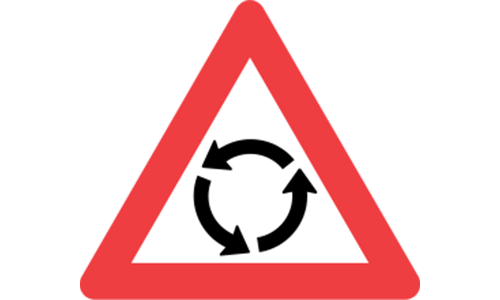
This triangular warning sign with circular arrows is universally recognized. It specifically warns drivers of an approaching roundabout.
054/65
Progress
Category A Theory Test 1
055/65
55.What does this sign advise you about the road ahead?

This supplementary sign warns drivers that a mandatory STOP sign is located approximately 200 meters further along the road. It gives drivers advance notice to prepare to stop completely at the upcoming junction or crossing.
055/65
Progress
Category A Theory Test 1
056/65
56.Which turn is explicitly forbidden at this junction by this sign?

A left turn is prohibited at the junction or intersection where the sign is placed. Drivers must choose an alternative direction of travel.
056/65
Progress
Category A Theory Test 1
057/65
57.What is the primary regulation within the zone you are entering?

This sign indicates the beginning of a zone where parking is prohibited. This means vehicles are not allowed to be parked on the road within the designated zone, though brief stopping for pick-up/drop-off might be permitted depending on local rules, unless further restricted.
057/65
Progress
Category A Theory Test 1
058/65
58.What is the required maneuver indicated by this sign?

Drivers are required to turn left at this junction. This mandatory instruction ensures vehicles follow a designated route, often to prevent congestion or direct traffic away from restricted areas.
058/65
Progress
Category A Theory Test 1
059/65
59.What maneuver are you explicitly instructed to make by this sign?

This sign explicitly requires drivers to turn left at the indicated junction or intersection. It means that proceeding straight, turning right, or making a U-turn are not allowed, guiding traffic into a specific turning maneuver.
059/65
Progress
Category A Theory Test 1
060/65
60.You see a blue motorway sign with 1200 m, an exit name like Terlet, and an airport symbol. What does this sign indicate?

This sign provides early warning for a motorway exit, indicating the distance to it and the destinations accessible via that exit, including an airport.
060/65
Progress
Category A Theory Test 1
061/65
61.If you encounter this sign, what mode of transport does it indicate is available across water?

This sign points to a water crossing service that is exclusively intended for individuals traveling on foot or by bicycle, offering a dedicated passage over water.
061/65
Progress
Category A Theory Test 1
062/65
62.What should traffic approaching from the front do when the officer has one arm extended straight toward them?

An extended arm facing the oncoming lane means vehicles from the front must stop.
062/65
Progress
Category A Theory Test 1
063/65
63.Which of the following permits crossing a continuous line?
One exception to crossing a continuous line is to enter or exit a hard shoulder, refuge section, or rush-hour lane.
063/65
Progress
Category A Theory Test 1
064/65
64.Upon entering a new road, what action is required if you encounter white triangles painted across your lane?
A line of white triangles across the road signifies that you must give way to traffic on the road you are entering. This is a visual cue for yielding.
064/65
Progress
Category A Theory Test 1
065/65
65.On roads outside of urban areas, what is the standard speed limit for cars and coaches?
The general speed limit on other roads, outside urban areas, is 80 km/h for cars and coaches. This applies to normal roads and dual carriageways.
065/65
Progress
- 1
- 2
- 3
- 4
- 5
- 6
- 7
- 8
- 9
- 10
- 11
- 12
- 13
- 14
- 15
- 16
- 17
- 18
- 19
- 20
- 21
- 22
- 23
- 24
- 25
- 26
- 27
- 28
- 29
- 30
- 31
- 32
- 33
- 34
- 35
- 36
- 37
- 38
- 39
- 40
- 41
- 42
- 43
- 44
- 45
- 46
- 47
- 48
- 49
- 50
- 51
- 52
- 53
- 54
- 55
- 56
- 57
- 58
- 59
- 60
- 61
- 62
- 63
- 64
- 65
0 Correct
x 0 Incorrect
- Passing Score 80%

Ace the DMV Exam on Your First Attempt
Unlimited mock tests
Access Over 1000 Exam Like Questions for Just $3
Ace the DMV Exam on
Your First Attempt